Barndominium Builders in Grays Harbor County, Washington
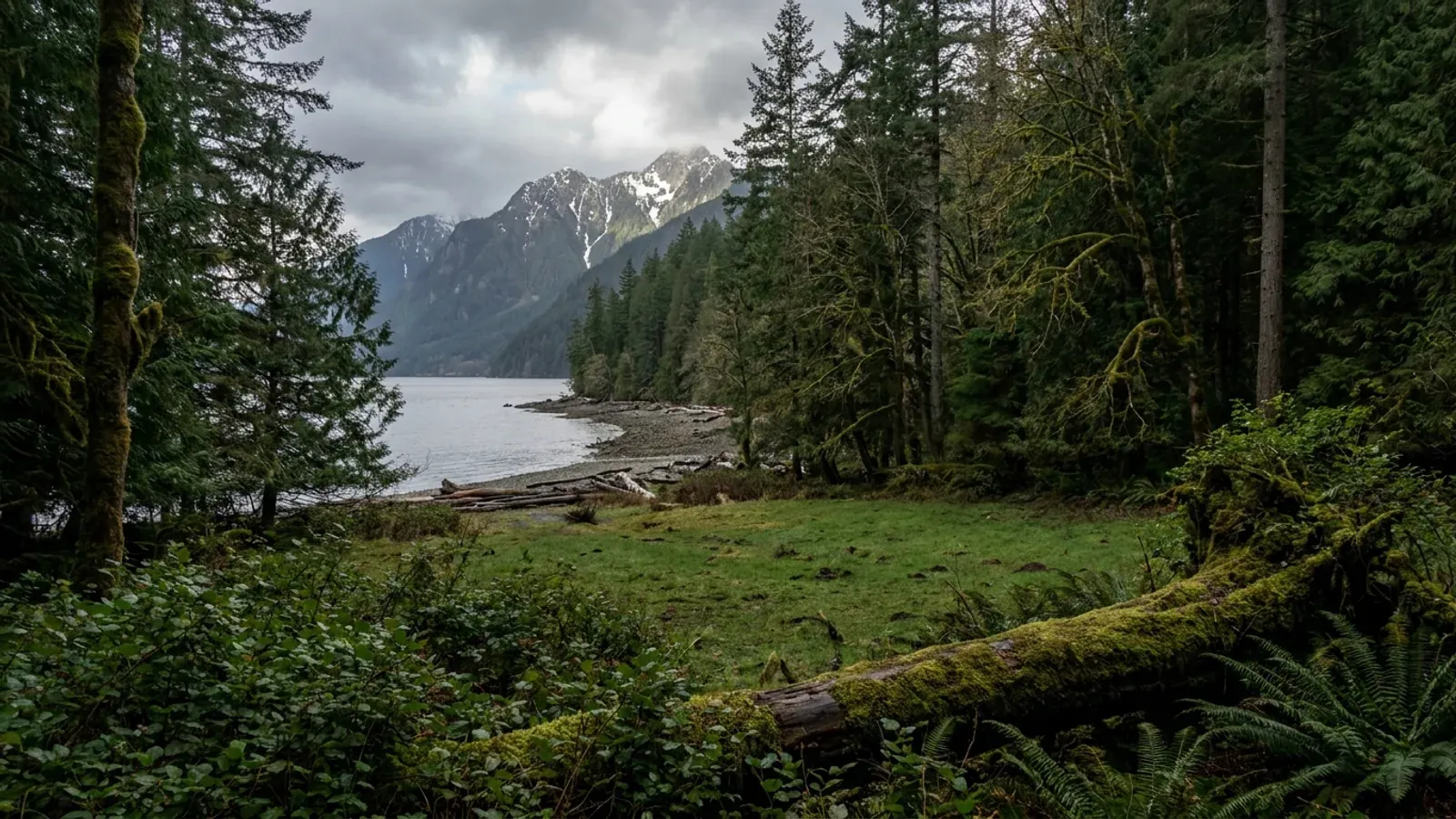
Grays Harbor County stretches from the Pacific beaches and the harbor around Aberdeen and Hoquiam up the Chehalis valley toward Elma and McCleary, and north into timber country. Rural parcels here tend to be big, green and wet, which is why a barndominium makes sense: one tight, well-drained shell for the house, the shop and the gear, instead of several buildings to keep dry. On land outside the cities and towns, the county's Planning and Building Division handles zoning and the building permit, starting with a site plan review. Barndominium kits suit an owner with a crew and a plan for the rainy months; a turnkey build suits someone who wants one team to manage the sequence from site plan to final. Much of the valley floor and the coast sits in mapped flood hazard areas, and any development there needs its own floodplain permit, so check the maps before choosing a pad. Water is the other early question, because a new well in the Chehalis basins carries a recorded limit on use. Send us the parcel and we will check its zoning district, its flood status and the well and septic path.
Grays Harbor County at a glance
- County
- Grays Harbor County
- Building permit
- County building department
- Land use
- County rural and resource zoning
- Wastewater
- Septic permit from the health jurisdiction
- Water
- Private well
Barndominium Builders Near Grays Harbor County
From a turnkey build to a shell you finish yourself, the work starts with the parcel: the access, the building pad, the route to sewer or septic, and the water source. The parcel decides the budget more than the floor area does, so each option is priced against your land rather than a rate card.
Turnkey Builds
Turnkey barndominiums in Washington State: one team from land and permits to the finished, inspected house, with water, septic and energy code planned in.
Custom Plans
Custom barndominium plans for Washington State: floor plans and permit drawings with the energy code credits and your site's design values built in.
Site Preparation
Barndominium site preparation in Washington State: clearing, grading, drainage and pads, planned around the well, septic area, wetlands and the climate.
Permitting
Barndominium permits in Washington State: city or county building permit, water supply evidence, septic permit, energy code credits and rural zoning.
Barndominium Kits and Pole Barn Homes in Grays Harbor County
A kit suits an owner who wants to raise the shell with their own crew. A pole barn home sets its frame on posts and trusses (the engineering term is post-frame construction) and suits a wide, simple layout with a shop bay under the same roof; a metal building home uses a bolted steel frame. Which one fits your parcel comes down to the zoning, the site and the design values the local building office publishes, covered below.
Barndominium Kits
Barndominium kits and shell kits for Washington State land: frame, panels and drawings, sized to the design values your city or county sets for the site.
Pole Barn Homes
Pole barn homes and pole barn house kits for Washington State: post-frame buildings with a shop and living space, designed to your county's snow load.
Metal Homes
Metal building homes in Washington State: steel-clad houses finished to the state energy code, with the insulation and condensation details done right.
Building a Barndominium in Grays Harbor County: Permits, Zoning, Septic and Water
On rural land the zoning, septic and water answers often come before the building answer. Here is who decides each part in Grays Harbor County, taken from the office or document that publishes it. Rules change, so check them again against your parcel before anything is drawn.
Grays Harbor County Planning and Building Division
For unincorporated land, the county's Planning and Building Division issues residential building permits through its online SmartGov portal. The residential process runs in three steps, beginning with a site plan review, and the division follows the 2021 codes. Cities and towns in the county issue permits inside their own limits.
Source: Property Development Process, Grays Harbor County (graysharbor.us)
Grays Harbor County Planning Division (Title 17 zoning)
Grays Harbor's comprehensive plan sets its rural densities under the Growth Management Act, and Title 17 zoning divides unincorporated land into districts. In the G-5 General Development Five district, single-family homes, accessory buildings and farm and forestry uses are permitted, with a five-acre minimum lot size and one dwelling per five acres.
Source: Chapter 17.24 G-5 General Development Five District, Grays Harbor County Code (library.municode.com)
Grays Harbor County Environmental Health Division
The county's Environmental Health Division permits on-site sewage systems, now through its SmartGov portal, and asks owners planning a new residence to work through its permit staff. Every septic system in the county must be designed by a licensed on-site designer or a professional engineer hired by the owner.
Source: On-Site Sewage Section, Grays Harbor County Environmental Health (graysharbor.us)
Grays Harbor County Environmental Health Division, water availability
A new home on a well goes through the county's water availability permit. In the Lower Chehalis (WRIA 22) or Upper Chehalis (WRIA 23) watershed, a new permit-exempt well carries a $500 fee and a notice on title limiting domestic use to a 3,000 gallon per day annual average per connection.
Source: Notice to Title, Limitations on Water Use, Grays Harbor County Environmental Health (graysharbor.us)
- Floodplain development permit
- The county requires a Floodplain Development Permit for all development in a Special Flood Hazard Area, from structures of any size to filling, grading and paving, before work begins. Its countywide flood insurance study took effect February 3, 2017, and was revised effective September 18, 2020.
Source: Frequently Flooded Areas, Grays Harbor County Planning (graysharbor.us)
Building on land near Grays Harbor County
Pull up the parcel on the county's map to see its zoning district and whether it falls in a flood hazard area; valley bottoms along the Chehalis and its tributaries often do, and fill or a raised pad there needs its own permit. Next, sort out water: if the site is in either Chehalis watershed, a new well will carry a recorded use limit, while a lot on a water system needs the purveyor's sign-off instead. Plan the septic early, since every system here needs a licensed designer and the soils decide the layout. Heavy winter rain means the building pad, gutters and site drainage deserve as much attention as the frame, and a pole barn or steel shell detailed for runoff holds up well. Timber ground may also need clearing and a longer driveway. For land up the valley, see our Lewis County and Thurston County pages.
Other places in this part of Washington
Kitsap & the Olympic Peninsula
- Bremerton
- Port Angeles
- Kitsap County
- Clallam County
- Jefferson County
- Grays Harbor County
Have land in or near Grays Harbor County? Tell us about the parcel and what you want on it, and we will check it against the local rules before anything is drawn.
Building in Grays Harbor County: questions
Start the surveyHow much does it cost to build a barndominium in Grays Harbor County?
Do I need a building permit for a barndominium in Grays Harbor County, Washington?
What limits apply to a new well in the Chehalis basins?
How much land do I need in rural Grays Harbor County?
Keep reading
What usually comes next once you know what Grays Harbor County allows.
Barndominium Cost Guide
Sourced per-square-foot ranges by tier and size, and what moves the number on your land.
Read itIs a Barndominium Legal in Washington?
Zoning, rural land, septic, water and who inspects, before you buy the land.
Read itHow Long Does It Take?
From parcel to move-in, and which steps set the clock.
Read itSources for this page
The published pages behind the Grays Harbor County facts above. Rules change, so check the current version with the office before you rely on it.
- Property Development Process, Grays Harbor CountyBuilding permit authoritygraysharbor.us
- Chapter 17.24 G-5 General Development Five District, Grays Harbor County CodeLand use and zoninglibrary.municode.com
- On-Site Sewage Section, Grays Harbor County Environmental HealthSewer or septicgraysharbor.us
- Notice to Title, Limitations on Water Use, Grays Harbor County Environmental HealthWater supplygraysharbor.us
- Frequently Flooded Areas, Grays Harbor County PlanningFloodplain development permitgraysharbor.us
Other places near Grays Harbor County
Nearby places with their own pages. Across a city limit or a county line the permit office, the zoning, the septic program and the water rules can change, so each is covered separately.
Building in Grays Harbor County?
Start with the survey. Tell us where the land is and what you want on it, and we will come back with which offices decide it, what the zoning allows, and a plan to fit.