Barndominium Builders in Spokane County, Washington
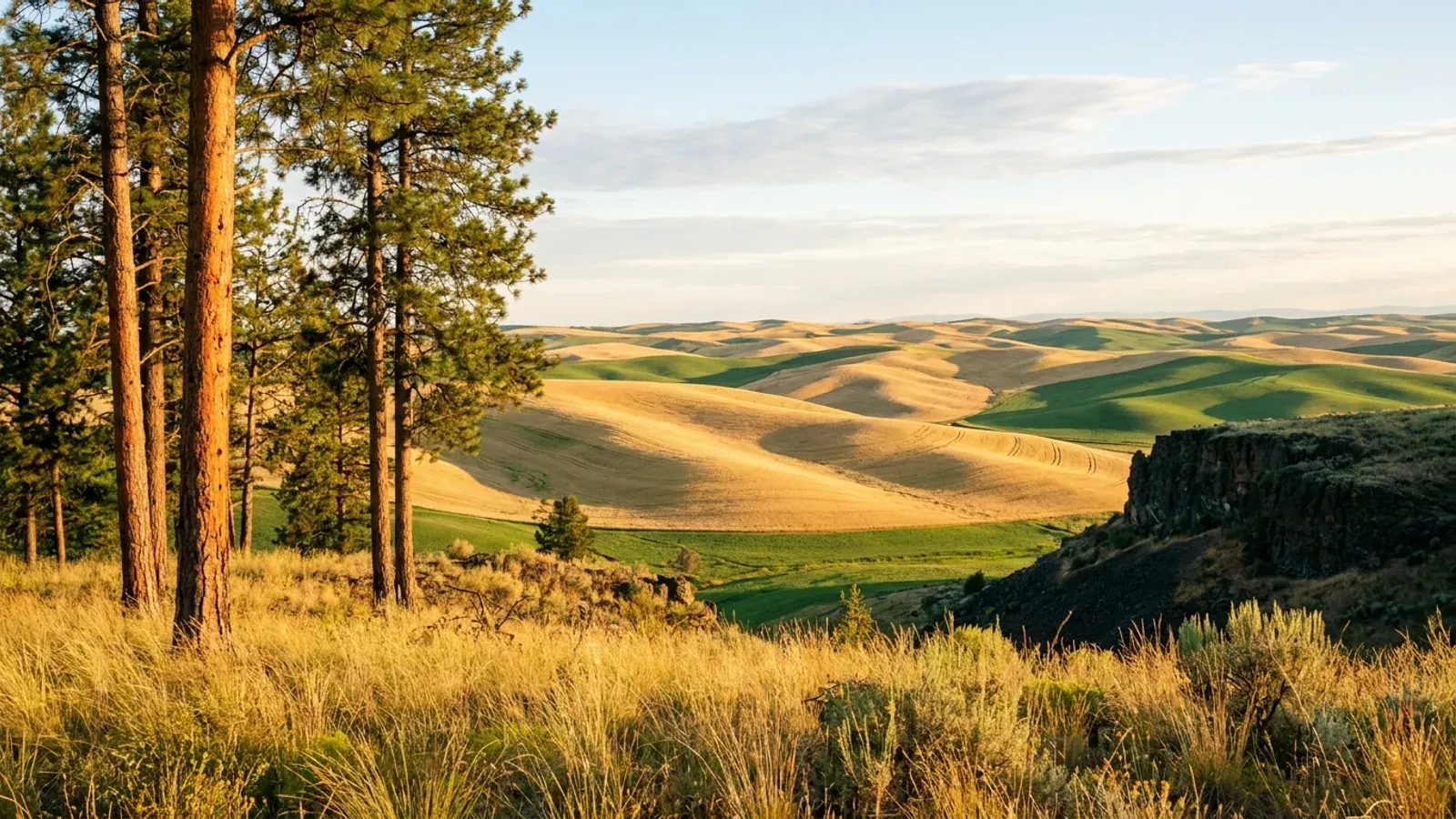
Most people who search for a barndominium near Spokane are really shopping for land in unincorporated Spokane County: the Palouse edge to the south, the West Plains, and the timbered country running north toward the Little Spokane River. Outside the cities, that land is where a shop-and-house building actually fits, and it comes with its own rules. The County's Building and Planning department issues the permit, rural zoning sets the lot size, Spokane Regional Health District signs off on the septic system and the well, and the site's elevation decides the snow load the roof must carry. Barndominium kits and pole barn homes both work well on acreage here, whether you frame the shell yourself or hand us the whole project through our turnkey builds. If the parcel is inside Spokane or Spokane Valley, those cities run their own permit offices instead. Give us the parcel number and we will pull its zoning, snow load, critical-area flags and water situation from the County's property dashboard before we price a building.
Spokane County at a glance
- County
- Spokane County
- Building permit
- County building department
- Land use
- County rural and resource zoning
- Wastewater
- Septic permit from the health jurisdiction
- Water
- Private well
Barndominium Builders Near Spokane County
From a turnkey build to a shell you finish yourself, the work starts with the parcel: the access, the building pad, the route to sewer or septic, and the water source. The parcel decides the budget more than the floor area does, so each option is priced against your land rather than a rate card.
Turnkey Builds
Turnkey barndominiums in Washington State: one team from land and permits to the finished, inspected house, with water, septic and energy code planned in.
Custom Plans
Custom barndominium plans for Washington State: floor plans and permit drawings with the energy code credits and your site's design values built in.
Site Preparation
Barndominium site preparation in Washington State: clearing, grading, drainage and pads, planned around the well, septic area, wetlands and the climate.
Permitting
Barndominium permits in Washington State: city or county building permit, water supply evidence, septic permit, energy code credits and rural zoning.
Barndominium Kits and Pole Barn Homes in Spokane County
A kit suits an owner who wants to raise the shell with their own crew. A pole barn home sets its frame on posts and trusses (the engineering term is post-frame construction) and suits a wide, simple layout with a shop bay under the same roof; a metal building home uses a bolted steel frame. Which one fits your parcel comes down to the zoning, the site and the design values the local building office publishes, covered below.
Barndominium Kits
Barndominium kits and shell kits for Washington State land: frame, panels and drawings, sized to the design values your city or county sets for the site.
Pole Barn Homes
Pole barn homes and pole barn house kits for Washington State: post-frame buildings with a shop and living space, designed to your county's snow load.
Metal Homes
Metal building homes in Washington State: steel-clad houses finished to the state energy code, with the insulation and condensation details done right.
Building a Barndominium in Spokane County: Permits, Zoning, Septic and Water
On rural land the zoning, septic and water answers often come before the building answer. Here is who decides each part in Spokane County, taken from the office or document that publishes it. Rules change, so check them again against your parcel before anything is drawn.
Spokane County Building and Planning
Spokane County Building and Planning issues building permits in unincorporated Spokane County and, by arrangement, in the City of Millwood and the towns of Rockford and Spangle. The cities of Spokane and Spokane Valley, and the other cities and towns inside the county, permit separately, so check the parcel's jurisdiction first. County permits expire three years after issue, with one extension of up to 180 days possible on written request.
Source: Building and Planning FAQs, Spokane County (spokanecounty.gov)
Spokane County Building and Planning (Spokane County Zoning Code)
Rural densities come from the County's Growth Management Act comprehensive plan, and the zoning code turns them into lot sizes. Spokane County says its zones range from 40 acres per dwelling unit to more than 15 units per acre, that minimum lot sizes outside the urban growth area are generally 5 acres or larger, and that lots inside it can be as small as 5,000 square feet.
Source: Building and Planning FAQs, Spokane County (spokanecounty.gov)
Spokane Regional Health District
Off the sewer, Spokane Regional Health District is the permitting body: its Liquid Waste program permits and inspects septic systems for single-family homes and works alongside the County's building department. Expect a soil and site evaluation with test pits, then a design that holds room for a replacement drainfield, before installation.
Source: Septic Systems, Spokane Regional Health District (srhd.org)
Spokane Regional Health District (water adequacy review)
Water availability is the gate. Before the County issues a permit for a home served by a private well, Spokane Regional Health District completes a water adequacy review, and a certified sampler must take a water sample. The district reports elevated uranium or arsenic in some county wells, and PFAS in parts of the northeast West Plains.
Source: Drinking Water (Private Wells), Spokane Regional Health District (srhd.org)
- Snow load varies by site
- Spokane County's Building and Planning FAQ gives a basic minimum roof snow load of 30 pounds per square foot but notes that parts of the county reach 150. The County's SCOUT map has a snow load layer showing ground snow load, which the County says is multiplied by 0.7 to get the roof snow load.
- Little Spokane watershed wells
- Ecology's Little Spokane watershed (WRIA 55) plan covers parts of Spokane, Pend Oreille and Stevens counties. In WRIA 55 a new home on a new permit-exempt well pays a $500 fee and is capped at 3,000 gallons per day as an annual average, recorded on the title. Other parts of the county lie in different watersheds with different rules.
Source: Building and Planning FAQs, Spokane County (spokanecounty.gov)
Source: Ecology adopts 3 streamflow restoration plans, Washington State Department of Ecology (ecology.wa.gov)
Building on land near Spokane County
Pull the parcel up on the County's SCOUT dashboard before you make an offer: it shows the snow load layer and whether the land sits inside a city. Outside the urban growth area, expect a minimum lot of five acres or more. The County's critical areas ordinance adds wetland buffers of 25 to 200 feet, regulates slopes of 30 percent or more, and limits uses in critical aquifer recharge areas to protect groundwater quality. Spokane County is one of six Washington counties requiring radon mitigation in new homes, so budget for it. Then line up the well and the septic evaluation with the health district. A rural lot that clears those checks has room for a full shop bay and a pole barn beside the house.
Other places in this part of Washington
Spokane & the Inland Northwest
- Spokane
- Spokane Valley
- Spokane County
- Stevens County
- Whitman County
Have land in or near Spokane County? Tell us about the parcel and what you want on it, and we will check it against the local rules before anything is drawn.
Building in Spokane County: questions
Start the surveyHow much does it cost to build a barndominium in Spokane County?
Do I need a building permit for a barndominium in Spokane County?
How big a lot do I need for a barndominium in rural Spokane County?
Is well water safe on Spokane County acreage?
Keep reading
What usually comes next once you know what Spokane County allows.
Barndominium Cost Guide
Sourced per-square-foot ranges by tier and size, and what moves the number on your land.
Read itIs a Barndominium Legal in Washington?
Zoning, rural land, septic, water and who inspects, before you buy the land.
Read itHow Long Does It Take?
From parcel to move-in, and which steps set the clock.
Read itSources for this page
The published pages behind the Spokane County facts above. Rules change, so check the current version with the office before you rely on it.
- Building and Planning FAQs, Spokane CountyBuilding permit authority; Land use and zoning; Snow load varies by sitespokanecounty.gov
- Septic Systems, Spokane Regional Health DistrictSewer or septicsrhd.org
- Drinking Water (Private Wells), Spokane Regional Health DistrictWater supplysrhd.org
- Ecology adopts 3 streamflow restoration plans, Washington State Department of EcologyLittle Spokane watershed wellsecology.wa.gov
Other places near Spokane County
Nearby places with their own pages. Across a city limit or a county line the permit office, the zoning, the septic program and the water rules can change, so each is covered separately.
Building in Spokane County?
Start with the survey. Tell us where the land is and what you want on it, and we will come back with which offices decide it, what the zoning allows, and a plan to fit.